FIFA Women's World Cup 2027 · São Paulo
Women's World Cup 2027 in São Paulo: The Complete Fan Travel Guide
São Paulo hosts more Women's World Cup matches than any other Brazilian city, including Brazil's second group game, a semifinal, and the bronze final. It is a football city first, and a trip that rewards more than a one-night stadium stop.
São Paulo Has Been Waiting for This Tournament
Cafu was born here, Kaká came through São Paulo FC, and Cristiane grew up just outside the city. Less than two hours away, Marta and Cristiane later helped Santos win the first Copa Libertadores Femenina. São Paulo has been part of Brazilian football history for generations, and in 2027 it will host more Women's World Cup matches than any other city in Brazil.
Arena Itaquera will stage 10 matches, from the group stage through a Round of 16, a quarterfinal, a semifinal, and the bronze final. Brazil already plays here on June 29. That combination gives São Paulo two identities at once: an early stop for anyone building a Brazil group-stage trip, and one of the two cities still standing when the tournament narrows to four teams.
The city is worth more than a quick match stop. If you are already moving between Brazilian host cities, three nights is enough to combine one game with Paulista, the Museu do Futebol, and a couple of serious meals. If you are flying in from outside Brazil, plan a week with the match in the middle. That is when Ibirapuera, Liberdade, Pinheiros, Vila Madalena, and a football day trip to Santos start to feel like part of the World Cup rather than a rushed extra.
São Paulo Will Be at the Center of the Women's World Cup
No other host city plays as many games. FIFA's published schedule gives São Paulo six group matches plus four knockout fixtures, which is more football than Rio, Fortaleza, or anywhere else in the tournament. Early in the group stage, that can still look like a three-night stop built around one game. Later, it becomes a city supporters following a contender may need to reach quickly as the bracket narrows.
The semifinal is what really changes the scale. By July 20, only four teams will remain, and one side of the tournament comes through São Paulo for a place in the final. Even fans who never planned to visit may find the city suddenly sitting on the critical path of their trip.
Women's World Cup 2027 Matches in São Paulo
Arena Itaquera hosts matches from June 25 through July 24. Kickoff times are still planning estimates until FIFA publishes them, but the dates and rounds are locked.
- June 25: Group B
- June 27: Group F
- June 29: Group A, Brazil
- July 1: Group D
- July 4: Group H
- July 8: Group G
- July 11: Round of 16
- July 17: Quarterfinal
- July 20: Semifinal
- July 24: Bronze final
Brazil's June 29 match should give São Paulo one of the strongest nights of the group stage, because it is one of the few fixtures with a confirmed team before the December 11, 2026 draw. The quarterfinal and semifinal make the city just as interesting later, especially for supporters following teams expected to make a deep run.
Women's World Cup 2027 schedule: host cities and travel windows
São Paulo Is One of Brazil's Great Football Cities
Brazilian football history is everywhere in São Paulo. Cafu was born in the city and became a star with São Paulo FC before captaining Brazil to the 2002 World Cup title. Kaká developed at the same club before leaving for Europe and becoming the world's best player. Those names still shape how the city talks about the game.
The women's game has equally strong roots here. Cristiane was born in Osasco and played for several São Paulo clubs, while Corinthians has become one of the dominant teams in South American women's football. The city is not discovering women's football because the World Cup is arriving. The tournament is coming to a place where the women's game already has a serious history and audience.
Marta also gives fans a reason to look slightly beyond the city. In 2009, she and Cristiane joined Santos and helped the club win the inaugural Copa Libertadores Femenina, with Marta scoring in the final at Vila Belmiro. That chapter makes nearby Santos much more than a Pelé pilgrimage for fans traveling to Brazil for a Women's World Cup.
Arena Itaquera Is Already a World Cup Stadium
Arena Itaquera, also known as Neo Química Arena, was built for the 2014 men's World Cup and hosted Brazil's opening match against Croatia. It later staged the Argentina versus Netherlands semifinal, so the stadium already has experience handling the biggest nights of an international tournament.
Today it is the home of Corinthians, whose women's team has built one of the strongest records in South American club football. That connection gives the stadium a different meaning in 2027. This is a former men's World Cup venue that is also part of the current culture of Brazilian women's football.
The stadium sits in eastern São Paulo and is connected to the rail network through Corinthians-Itaquera station. From the central neighborhoods where most visitors will stay, matchday is a dedicated trip across the city rather than something that needs to shape the rest of the visit. Keep the hotel near Paulista or Pinheiros and treat Itaquera as the destination for that one night.
Getting to São Paulo and the Stadium
Most international travelers will arrive through São Paulo Guarulhos, Brazil's largest international airport. Congonhas is closer to central São Paulo and is more useful for domestic hops, which matters if your World Cup route also includes Rio, Belo Horizonte, or Brasília.
Corinthians-Itaquera station serves the stadium on Metro Line 3 and CPTM Line 11. A metro or train ride costs about $1 USD, which is why hotel choice should follow the city rather than the stadium. Plan extra time on matchday. São Paulo traffic is real, and a World Cup crowd will make the rail line busier than a normal Corinthians night.
Where to Stay in São Paulo for the Women's World Cup
Paulista, Jardins and Bela Vista: The Best Overall Base
If you are deciding where to stay in São Paulo for the Women's World Cup, Avenida Paulista and the surrounding Jardins and Bela Vista neighborhoods are my first choice for a short first visit. The area gives you restaurants, museums, cafés, hotels, and good public transportation, while keeping enough of São Paulo close by to make a few nights feel substantial.
Jardins is the more polished option, with a strong hotel selection and plenty of restaurants within walking distance. Bela Vista often offers better value while still keeping you close to Paulista. Either works well for a first visit built around one World Cup match. You can spend an arrival day around Paulista and Jardins, dedicate one day to the match, and use the remaining time for the Museu do Futebol or Ibirapuera. If your stay includes a Sunday, Paulista becomes even more appealing when the avenue closes to regular traffic and fills with walkers, musicians, families, and street food.
Pinheiros and Vila Madalena: Best for a Longer Stay
For a week, Pinheiros and Vila Madalena become more interesting. Both offer more neighborhood life, independent restaurants, bars, cafés, and street art, which matters much more when the football match is only one day out of seven. Paulista and Jardins still work very well for a longer stay, especially on a first trip. Pinheiros and Vila Madalena simply offer a different version of São Paulo, one where the evenings become part of the trip rather than something you squeeze in after sightseeing.
For a longer World Cup stay, that can be the better trade. One matchday journey across the city matters much less when you have several other days to enjoy the neighborhood around your hotel.
Three Hotels Worth Checking First
If you would rather start with a named hotel than a neighborhood list, these three are the ones I would check first. They keep you in Paulista or Jardins, so Arena Itaquera stays a matchday metro trip rather than something that has to shape where you sleep.
Avenida Paulista
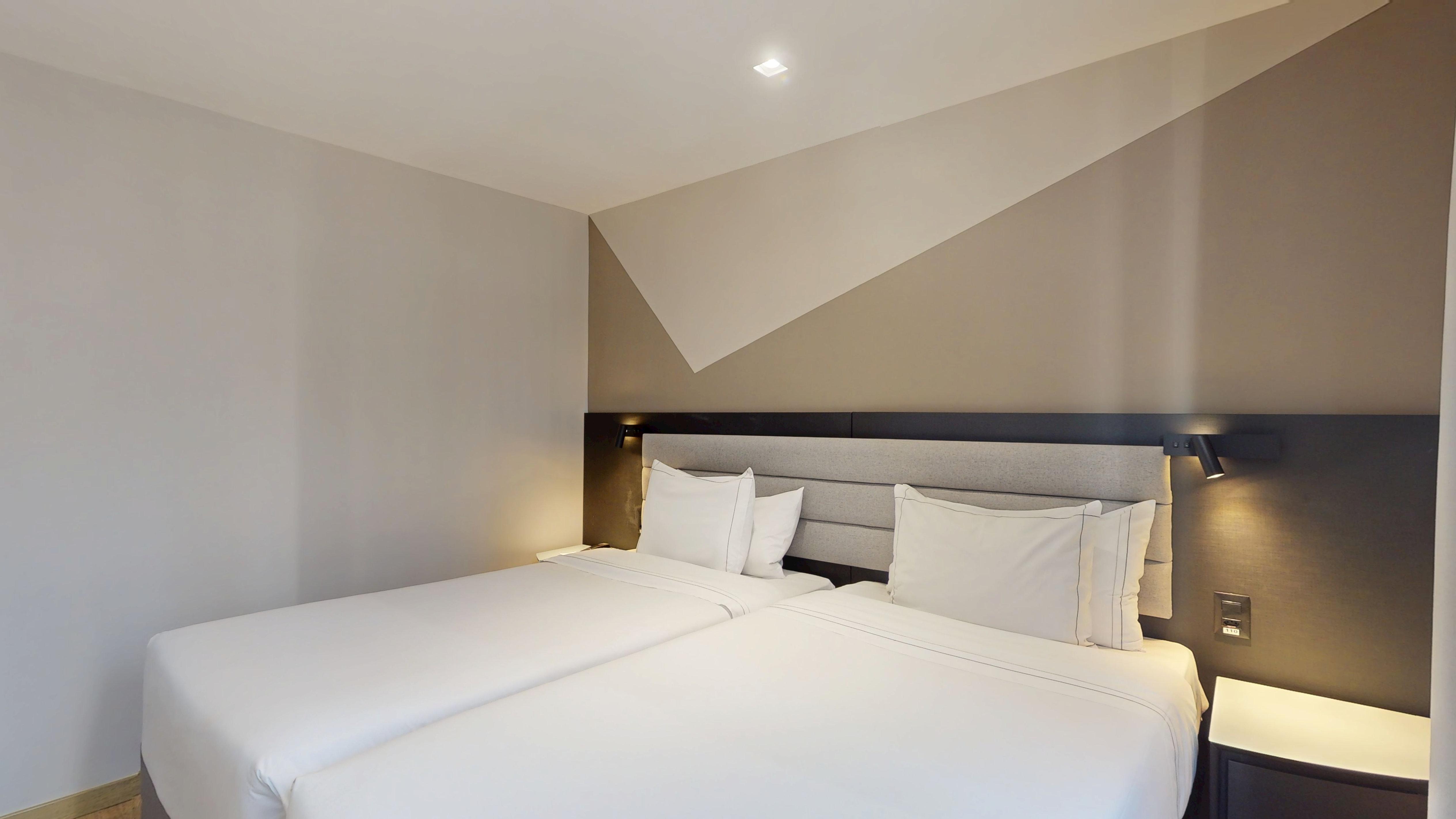
Meliá Paulista
A solid first-visit base on Paulista — walkable to museums, restaurants, and the metro for matchday trips to Arena Itaquera.
Check availability on Meliá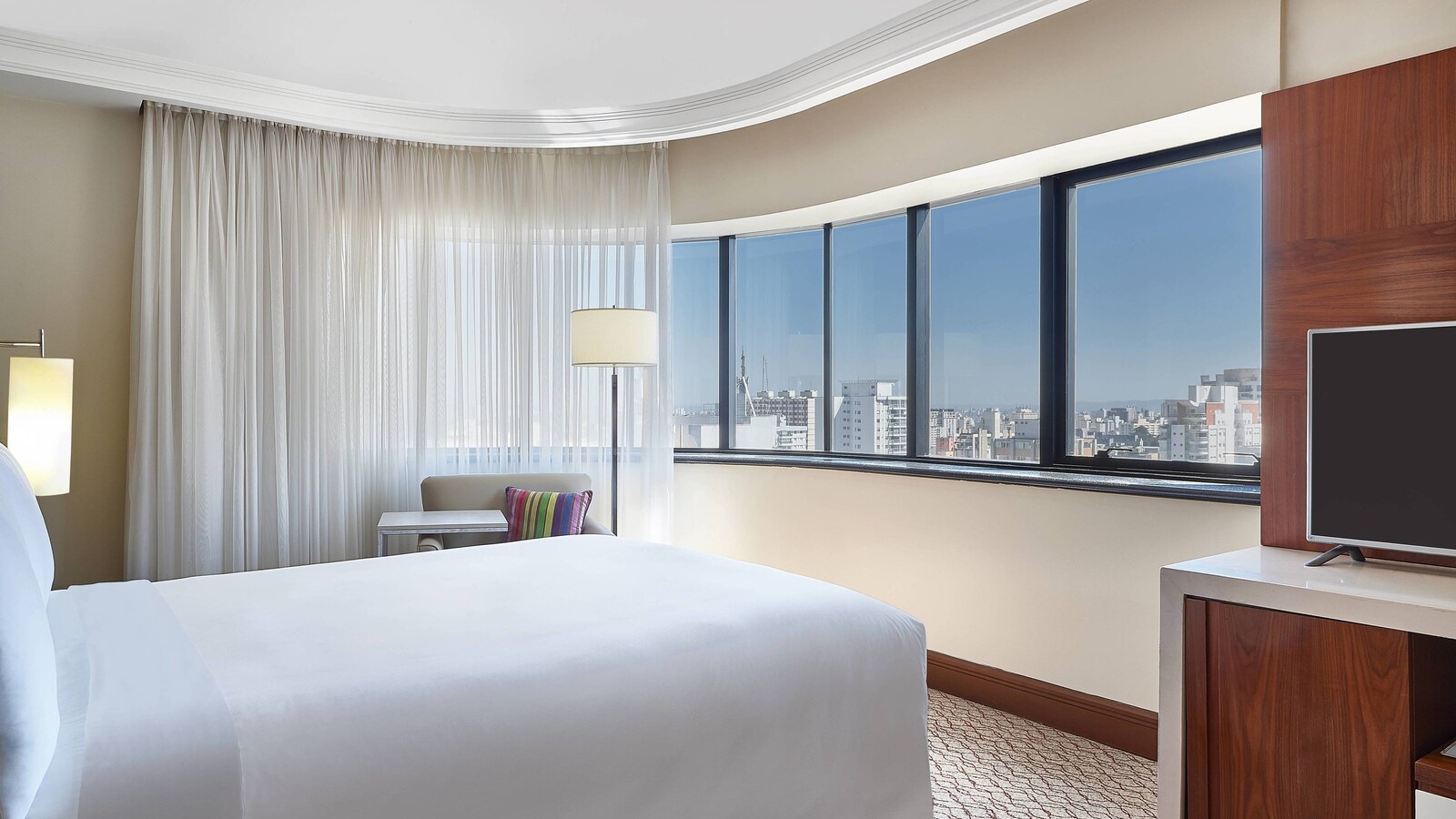
Jardins · Alameda Santos
Renaissance São Paulo Hotel
A full-service Marriott stay near Paulista and Jardins, with more room to settle in if São Paulo is more than a one-night stop.
Check availability on Marriott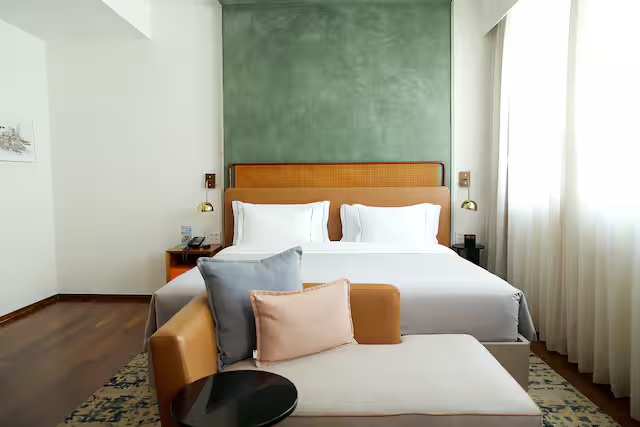
Jardins
Canopy by Hilton São Paulo Jardins
A design-led Hilton stay in Jardins when you want a polished neighborhood base with cafés and restaurants close by.
Check availability on Hilton
What to Do in São Paulo Between Women's World Cup Matches
During a Women's World Cup in Brazil, the Museu do Futebol is the first place I would send a football fan—not as a generic museum stop, but because it places the 2027 tournament in the longer story of the women's game here. Inside the Pacaembu complex, the museum tells Brazilian football history through footage, photography, sound, memorabilia, and interactive exhibits. After its major renovation, women's football has a much larger place in the permanent exhibition, including the decades when Brazilian women were prohibited from playing and the generations that kept the game alive anyway.
Brazil barred women from playing football from 1941 until the end of the 1970s, yet women continued organizing and playing despite the restrictions. Watching a Women's World Cup match in São Paulo and then seeing that history makes the tournament feel connected to something larger than the fixture you came to attend.
Avenida Paulista is the easiest place to build the rest of a short visit. MASP, Trianon Park, cultural centers, restaurants, and Jardins can fill most of a day without an ambitious schedule. On Sunday, the avenue itself becomes one of the city's best experiences when traffic gives way to people, music, food, and street performances.
MASP — Museu de Arte de São Paulo
São Paulo with Family During the Women's World Cup
Families considering São Paulo for the Women's World Cup will find the city workable if matchday is balanced with open space. Ibirapuera Park is the best counterweight to a busy tournament night: room to walk, cycle, picnic, visit museums, or simply spend a few hours outside so children can move freely after the structure and crowds of a World Cup game.
With more time, add Liberdade for its Japanese Brazilian culture and food, or spend an afternoon around Pinheiros and Vila Madalena. The city works better when you choose one neighborhood and stay there for a while rather than trying to cross São Paulo several times in one day. Instituto Butantan adds science, animals, and green space that feel completely different from another art museum, which helps if you are traveling with children.
If You Have an Extra Day, Go to Santos
For a week-long stay, Santos is the football day trip I would add. Pelé made the city famous around the world, but the women's football story gives it particular relevance in 2027. In 2009, Marta and Cristiane helped Santos win the first Copa Libertadores Femenina. The final was played at Vila Belmiro, giving the stadium a direct link to one of the earliest landmark moments in South American women's club football.
A full day can combine Vila Belmiro and the club's Memorial das Conquistas with the Museu Pelé and time along the waterfront. It adds another layer to the trip without taking time away from São Paulo itself during a short stay.
What Does a São Paulo Women's World Cup 2027 Trip Cost?
São Paulo gives fans enough hotel and restaurant choice to build very different Women's World Cup trips. For two adults, a comfortable room around Paulista, Jardins, or nearby central neighborhoods should run around $100 to $180 per night, while food and everyday spending should be roughly $45 to $70 per person per day. Local transportation is inexpensive, with metro and train rides around $1 USD.
FIFA has not published Women's World Cup 2027 ticket prices yet, so treat match spend as a planning reserve rather than a confirmed fare. Previous Women's World Cups sold many early-round tickets at relatively accessible prices, while knockout games moved higher. Reserve a few hundred dollars per person for matches until FIFA announces categories and sale dates, then replace that placeholder with the real number.
A comfortable three-night São Paulo stop for two adults should cost roughly $650 to $1,200 before flights, which is the right scale if you are already in Brazil between host cities. A one-week stay for two adults should be closer to $1,300 to $2,300 before flights, depending mainly on hotel choice, restaurants, and the match. That week-long version is the one that matches a long-haul trip from Europe, North America, or elsewhere outside Brazil.
Women's World Cup 2027 cost: how much should you budget?
Women's World Cup 2027 tickets: prices, sales, and when to buy
Should São Paulo Be Part of Your Women's World Cup Trip?
If your team plays in São Paulo and you are already in Brazil, three nights is the sweet spot for a short visit. That gives you enough time for the match, Paulista, the Museu do Futebol, a good dinner or two, and one additional part of the city without turning the trip into a sightseeing marathon.
A week makes sense when São Paulo is more than a stop between matches, and it is the better default if you are flying in from outside Brazil. You can slow down, explore different neighborhoods, spend time at Ibirapuera, make the trip to Santos, and let the city become part of the vacation rather than simply part of the tournament schedule.
For neutral fans, São Paulo also has one of the strongest late-tournament schedules in Brazil. The quarterfinal and semifinal guarantee that some of the biggest matches of the World Cup will happen here, and the city has enough depth to justify building several days around either one. São Paulo does not need Rio's beaches or postcard views to make a memorable World Cup trip. Football history, food, neighborhoods, crowds, museums, and the tournament itself all overlap here, which is exactly what can make a few days in the city feel like part of the World Cup rather than time between games.
Follow Your Team, Not Just the City
São Paulo will host 10 matches, but whether it belongs in your trip still depends on your team's route. Brazil already knows it will play here on June 29. Everyone else waits on the December 11, 2026 draw. Some supporters will need São Paulo during the group stage. Others may only reach the city if their team advances deep into the knockout rounds.
Follow My Team connects those matches into one itinerary. You can see which host cities your team may visit, compare the expected cost of each stop, and build the trip around football rather than planning eight Brazilian cities independently.
Frequently Asked Questions
Don't miss the moment your trip becomes bookable.
Get important draw, schedule, ticket and trip-planning updates for the tournaments you follow.
Related reading
- Fan guide
How to Plan a Women's World Cup 2027 Trip to Brazil
Eight host cities, team-first itineraries, and what to prepare before the draw.
Read more → - Budget
Women's World Cup 2027 Cost: How Much Should You Budget?
Savings targets for a Brazil holiday or following your team across host cities.
Read more → - Qualification
Women's World Cup 2027 Qualification: Who's In and How the USWNT Can Qualify
18 teams are already in for Women's World Cup 2027 in Brazil. See who has qualified, Europe's playoff picture, and how the USWNT can book its place via Concacaf.
Read more → - Schedule guide
Women's World Cup 2027 Schedule: How It Shapes Your Brazil Trip
Match dates, host cities, and the travel windows that actually work.
Read more →